

Helix Culture
Stronger Security Without the Culture Shock
Cybersecurity should not force your people to work around the tools meant to protect them. ZKX Helix is designed to improve security posture while fitting into the way users, administrators, and organizations already operate.
Security Works Better When People Actually Use It
Many cybersecurity tools create friction first and ask for adoption later. Users are pushed into new apps, new habits, new training, and more steps just to do the same work they were already doing.
Helix takes a different approach. It is built to adapt to your organization’s culture, not force your organization to adapt to another disruptive security tool.
From the user’s perspective, Helix can feel familiar. From the administrator’s perspective, that means stronger protection without a long user retraining cycle.
Helix Key Benefits
- Improves your security posture without adding friction
- Feels identical to conventional tech, making user adoption seamless
- Cut down on cybersecurity training and managing inferior solutions
Stronger Security Without the Culture Shock
Cybersecurity should not force your people to work around the tools meant to protect them. ZKX Helix is designed to improve security posture while fitting into the way users, administrators, and organizations already operate.
Join Our Exclusive Trial Program Today
We're looking for users who want to stay on the cutting edge of cybersecurity by participating in our 90-day trial of Helix.
Usability vs. Security
Cybersecurity teams are often told they have to choose between stronger security and a better user experience. More security usually means more friction, more prompts, more training, and more chances for users to find a workaround.
Helix is built to reduce that tradeoff. It strengthens authentication under the hood while keeping the user experience simple, familiar, and practical.
The goal is not to remove friction from every security decision. The goal is to make friction show up when it has a reason.
Use the Credentials That Fit Your Environment
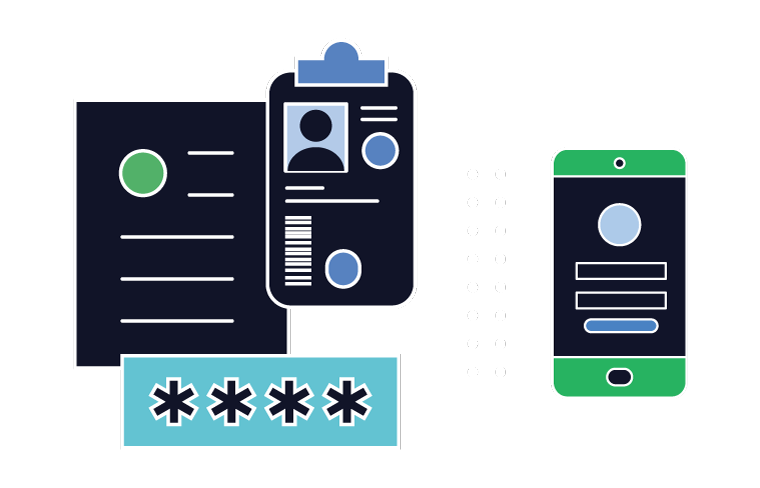
Every organization has different users, devices, risk levels, and operational realities. Helix is designed to support familiar MFA credentials instead of forcing one rigid authentication model on every environment.
That can include conventional options like PINs and passwords, along with other bindings such as biometrics, barcodes, external tokens, or organization-specific credentials.
Helix does not simply accept these credentials at face value. It strengthens how they are used, protected, and tied into the broader authentication process.
Improving Security Without Culture Shock
No one likes friction in their workflow but it exists for a reason. The real challenge is balancing friction so that it doesn’t unnecessarily disrupt actions. ZKX Helix has mastered this balance. Here is an example of ZKX Helix’s policy enforcement capabilities in action.
See Helix in Action
Security Should Not Depend on Perfect User Habits
Users get tired. They reuse passwords. They click quickly. They ignore prompts. They make decisions under pressure.
Helix is built around that reality. Instead of relying on perfect behavior, Helix uses patented authentication technology, user-device binding, and policy-driven access control to reduce the damage that weak habits or stolen credentials can cause.
That matters because the best security culture is not one where users are expected to carry the full burden. It is one where the system is designed to protect them when behavior is imperfect.
Administrator Impact
Less Training. Fewer Workarounds. Better Control.
Security rollouts often fail when the tool is technically strong but culturally unrealistic. If users hate the experience, they look for shortcuts. If administrators cannot explain or manage the tool easily, adoption slows down.
Helix is built to make stronger security easier to introduce. It gives administrators a way to improve authentication and policy enforcement without creating unnecessary workflow shock for the people using it. That means better control for security teams and a better experience for the users they support.
Helix Culture FAQs
Why does security culture matter?
Security tools fail when users avoid them, misunderstand them, or work around them. Helix is built to make stronger security easier to adopt and easier to maintain.
Can Helix reduce user friction?
Yes. Helix is built to apply stronger verification when risk increases instead of forcing the same level of friction across every action. It’s not about completely eliminating friction, it’s about applying strategic friction only when necessary.
What types of credentials can Helix support?
Helix can support familiar MFA credentials, including conventional options like PINs and passwords, along with other credential types depending on the environment and use case.
How does Helix help administrators?
Helix helps administrators strengthen authentication, bind users to trusted devices, apply policy, and reduce the amount of user training needed for adoption.
Does Helix require users to learn a completely new process?
Helix is designed to feel familiar to end users while applying stronger authentication and access control behind the scenes.

The Right Security at the Right Time
Security requirements do not stay still. New frameworks, new cryptographic expectations, new device classes, and new machine identities will keep changing how organizations define trusted access.
Helix is built with policy flexibility in mind. As authentication methods, cryptographic standards, and operational environments evolve, Helix is designed to support stronger controls without forcing organizations to rebuild their access model from scratch.
See How Helix Fits Your Security Culture
Helix is built to strengthen authentication without forcing your organization into another painful security rollout. Bring us your users, workflows, access challenges, or adoption concerns, and we’ll show you how Helix can support stronger security with less disruption.