

ZKX Helix Rapid Revoke™
Revoke Access Before It Becomes an Insider Threat
Rapid Revoke™ gives security teams a faster way to revoke digital identity, cut active access, and sever high-risk RDP sessions from a single trigger.
The Problem
Persistent Access Is a Security Gap Waiting to Be Used
Many insider threats are not caused by a single dramatic breach. They happen because a user still has access after their role, trust level, or employment status has changed.
In most organizations, access revocation is spread across HR tools, identity platforms, applications, remote desktop sessions, privileged accounts, shared systems, and manual workflows. That creates delays, gaps, and active connections that can stay open longer than they should.
Helix RapidRevoke is built for the moment when trust changes and access needs to end now.
One Trigger. Faster Revocation. Cleaner Cutoff.
When a user is terminated, reassigned, or identified as a risk, RapidRevoke can use that event as the trigger to revoke account access, disable digital identity, and sever active connections tied to that user.
For RDP and other sensitive access paths, that gives security teams a practical kill switch for sessions that should not remain open.
Rapid Revoke™ Benefits
- Cut off active RDP sessions faster
- Reduce insider threat exposure
- Remove persistent access gaps
- Support compliance and audit readiness
- Protect sensitive systems during offboarding
How Helix Rapid Revoke™ Works
RapidRevoke connects identity change to enforcement. Instead of waiting for each system, workflow, or team to catch up, Helix helps drive access removal from a central trigger.
Step 1
A status change happens
A user is terminated, reassigned, suspended, flagged, or removed from an approved identity source such as an HR management tool.
Step 2
Helix receives the trigger
RapidRevoke recognizes the change and initiates the access revocation workflow tied to that user or identity.
Step 3
Access is revoked
The user’s account, digital identity, and privileges can be disabled across protected systems and workflows.
Step 4
Active sessions are severed
Open remote connections, including high-risk RDP sessions, can be actively cut off instead of waiting for timeout, logout, or manual cleanup.
Protect Your Organization From Insider Threats
See how our RDP killswitch can revoke access instantly, keeping you protected from persistent access threats.
Not Just Deprovisioning. Active Access Cutoff.
Deprovisioning often focuses on accounts. RapidRevoke focuses on the bigger problem: the user, the identity, the privileges, and the sessions that may still be active.
That distinction matters when access needs to end immediately. Closing an account later does not help if a session is open right now.
RDP kill switch capability
Sever active remote desktop connections tied to users who should no longer have access.
Single-trigger revocation
Use one trusted event, such as HR termination, to initiate access cutoff across protected workflows.
Digital identity revocation
Disable the identity behind the user, not just one isolated account.
Persistent access reduction
Reduce the risk created by accounts, sessions, privileges, and workflows that remain active after trust changes.
Built for real operational workflows
Apply revocation where access risk intersects with HR, IT, security, compliance, finance, healthcare, legal, and OT operations.
Built for the Access Moments You Cannot Leave Open.
Access revocation matters most when delays create real risk. RapidRevoke is built for workflows where lingering sessions, accounts, or privileges can expose sensitive systems.
Watch the RDP Kill Switch in Action
The RapidRevoke demo shows a terminated employee being removed through an HR management workflow. That single event triggers Helix to revoke the user’s account, disable their digital identity, and actively sever any open connections.
The result is a cleaner access cutoff that does not rely on every system, team, or manual process catching up at the same time.
Manual Offboarding Is Too Slow for Active Risk
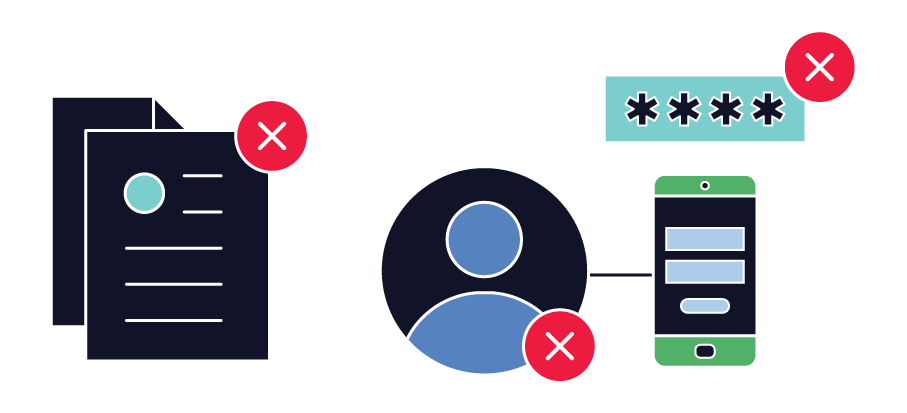
Manual access removal creates too many places for mistakes. One system gets updated, another does not. One account is disabled, but an active session remains open.
RapidRevoke helps close that timing gap by connecting identity change directly to access enforcement. When the user is no longer trusted, access can be cut before the gap becomes an incident.
Backed by Patented Technology
Helix Rapid Revoke FAQs
When access needs to end, timing matters. These FAQs explain how Helix RapidRevoke helps organizations cut off risky users, active sessions, and persistent access paths faster.
What is Helix RapidRevoke?
Helix RapidRevoke is a ZKX solution that helps organizations revoke access, disable digital identity, and sever active connections when a user’s trust status changes.
Why call it an RDP kill switch?
RapidRevoke can be used to cut off high-risk remote desktop access when a user should no longer be connected to a machine, server, or protected environment.
What triggers RapidRevoke?
A trigger can come from a trusted workflow such as an HR management tool, employee termination, reassignment, user suspension, security flag, or other approved status change.
Is this only for terminated employees?
No. Employee termination is a clear use case, but RapidRevoke can also support reassignment, insider threat response, emergency lockdown, compliance workflows, and privileged access cleanup.
How is this different from normal deprovisioning?
Normal deprovisioning often removes accounts over time. RapidRevoke is designed to actively cut off identity, privileges, and open sessions when access should end immediately.
Built for the Teams Responsible for Access Risk.
Rapid access revocation sits at the intersection of security, IT, HR, compliance, and operations.
If your team is responsible for offboarding, privileged access, remote desktop security, insider threat response, or compliance-sensitive workflows, RapidRevoke gives you a faster way to act when trust changes.
- CISOs
- IT Analysts and Administrators
- HR and IT Operations Personnel
- Compliance Officers
- Chief Security Architects
- CTOs
When Trust Changes, Access Should End
Bring us the RDP session, offboarding workflow, privileged access path, or insider risk scenario you need to control.
We’ll show you how Helix RapidRevoke can help cut off access before persistent privileges become a security incident.